By Russ Jackson
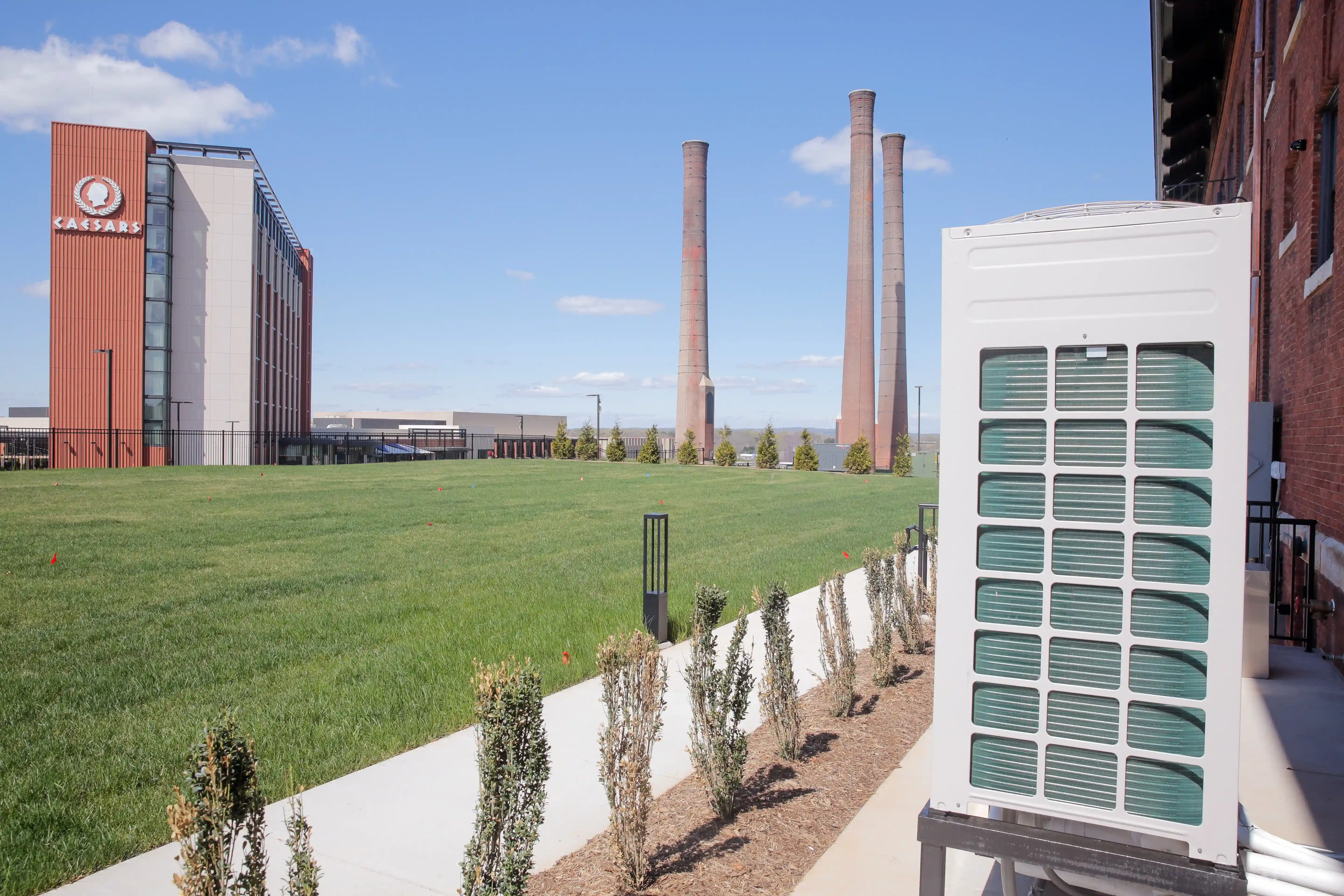
In Danville, Virginia, where the city's industrial past meets a rapidly evolving future, a once-forgotten structure has found new life. Just steps from Caesars Virginia Casino, the Laurel Hotel's revival stands as an enduring piece of the region's identity carefully restored and thoughtfully reimagined. Rooted in the legacy of the Dan River Mills, the building carries with it more than a century of craftsmanship, labor, and layered history, now transformed into a boutique destination that feels both timeless and entirely new.
What guests experience today in quiet rooms, consistent climate, reliable hot water is the result of an extraordinary effort behind the walls. For Southern Air's Special Projects group, this was not just another renovation. It was a test of craftsmanship, planning, and teamwork under some of the most restrictive and demanding conditions a jobsite can offer.
A Building That Resisted Modern Design
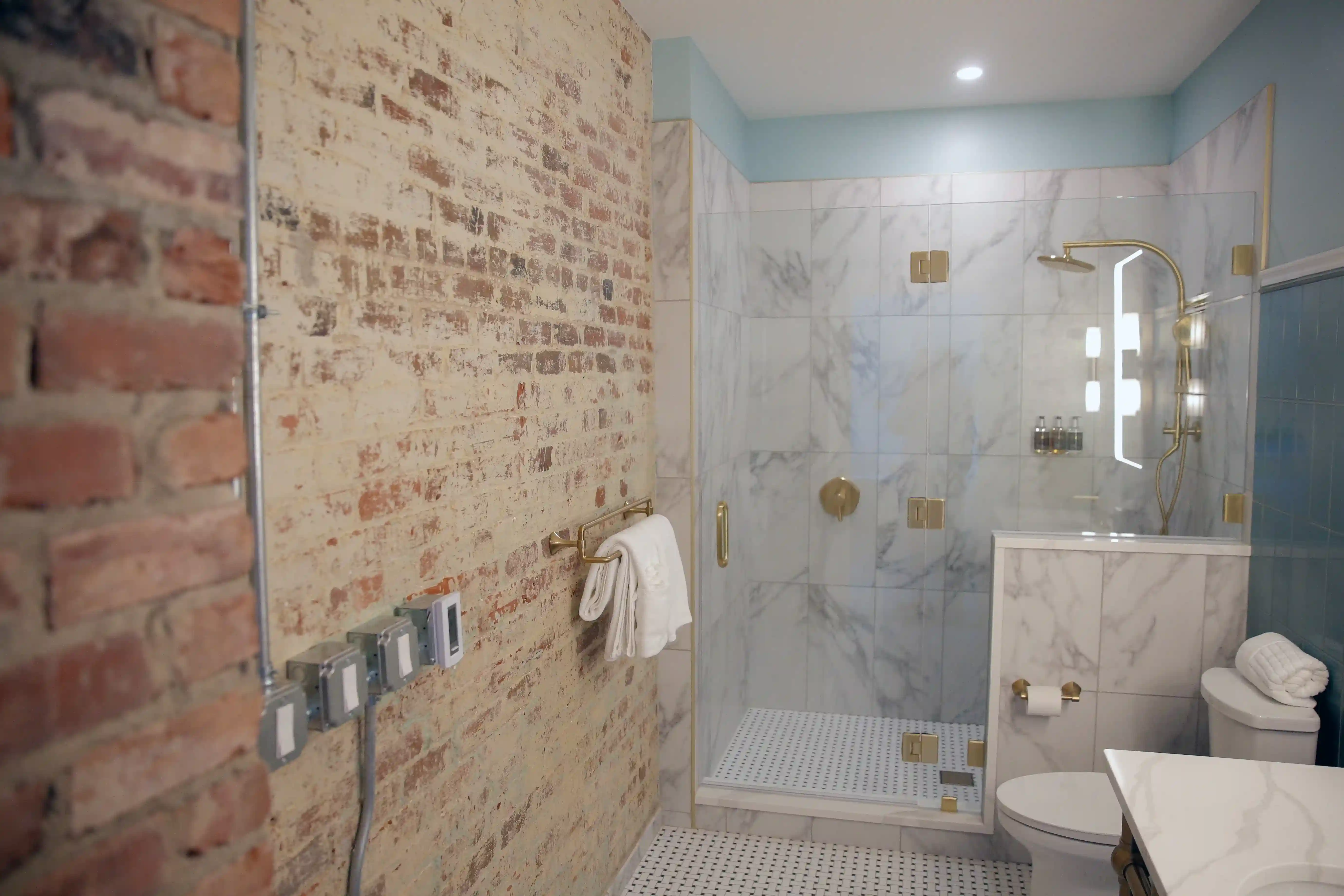
When crews first entered the building, it was unstable and unpredictable. Floors varied in elevation, sometimes by more than an inch within the same room. Walls were thick, irregular, and often misaligned. Structural wood was dense, aged, and unforgiving, resisting even the most heavy-duty tools. Nothing was uniform, and nothing was easy.
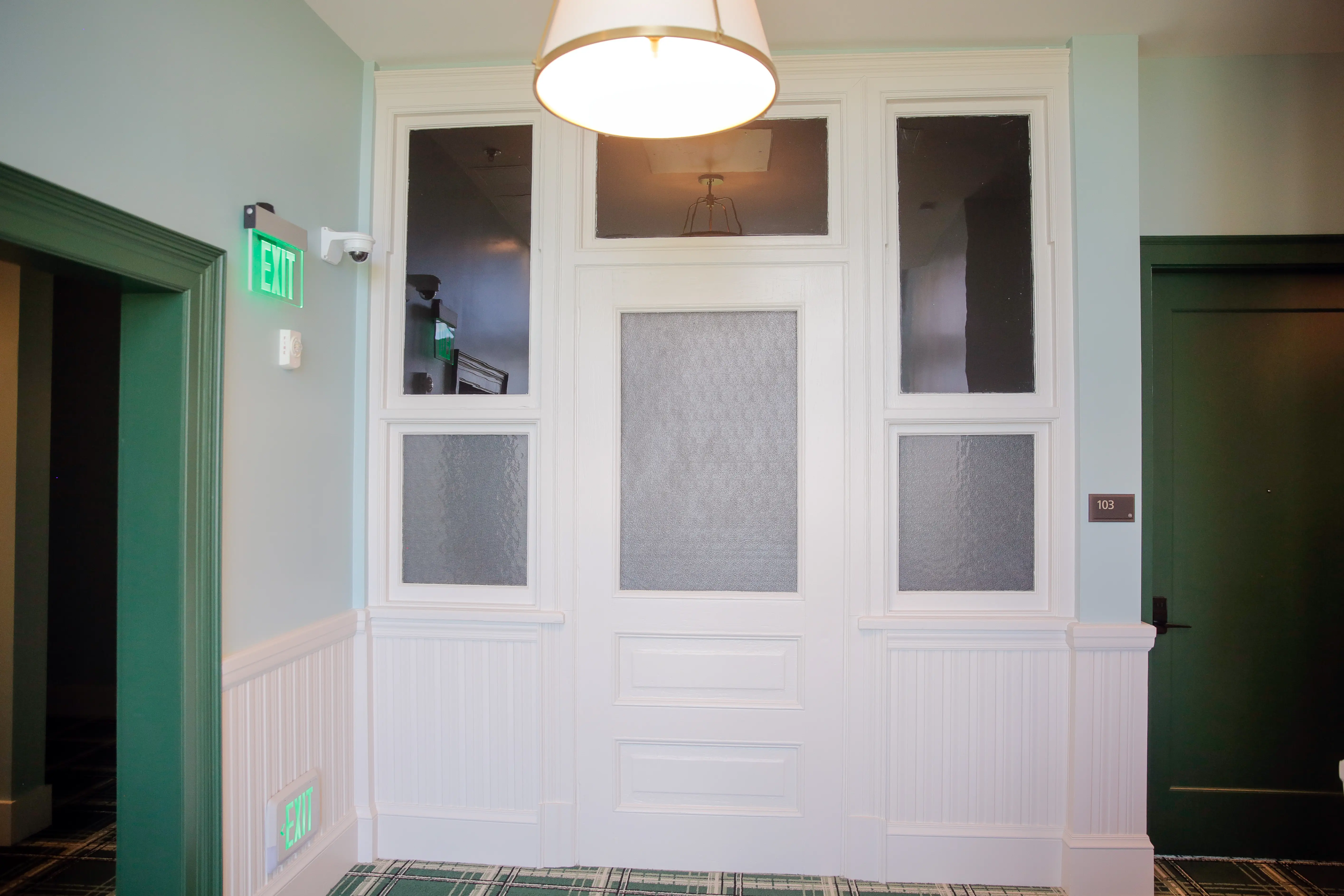
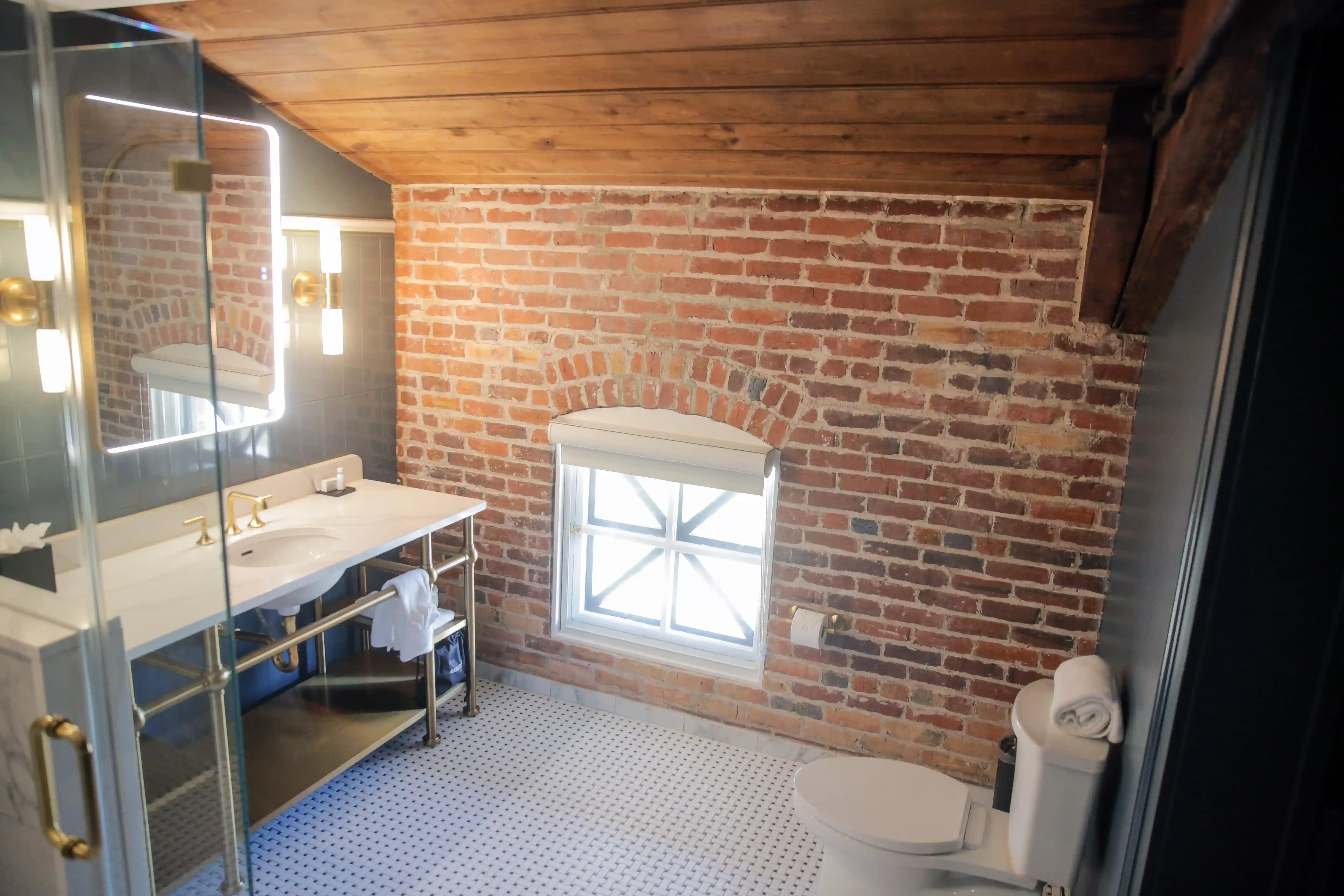
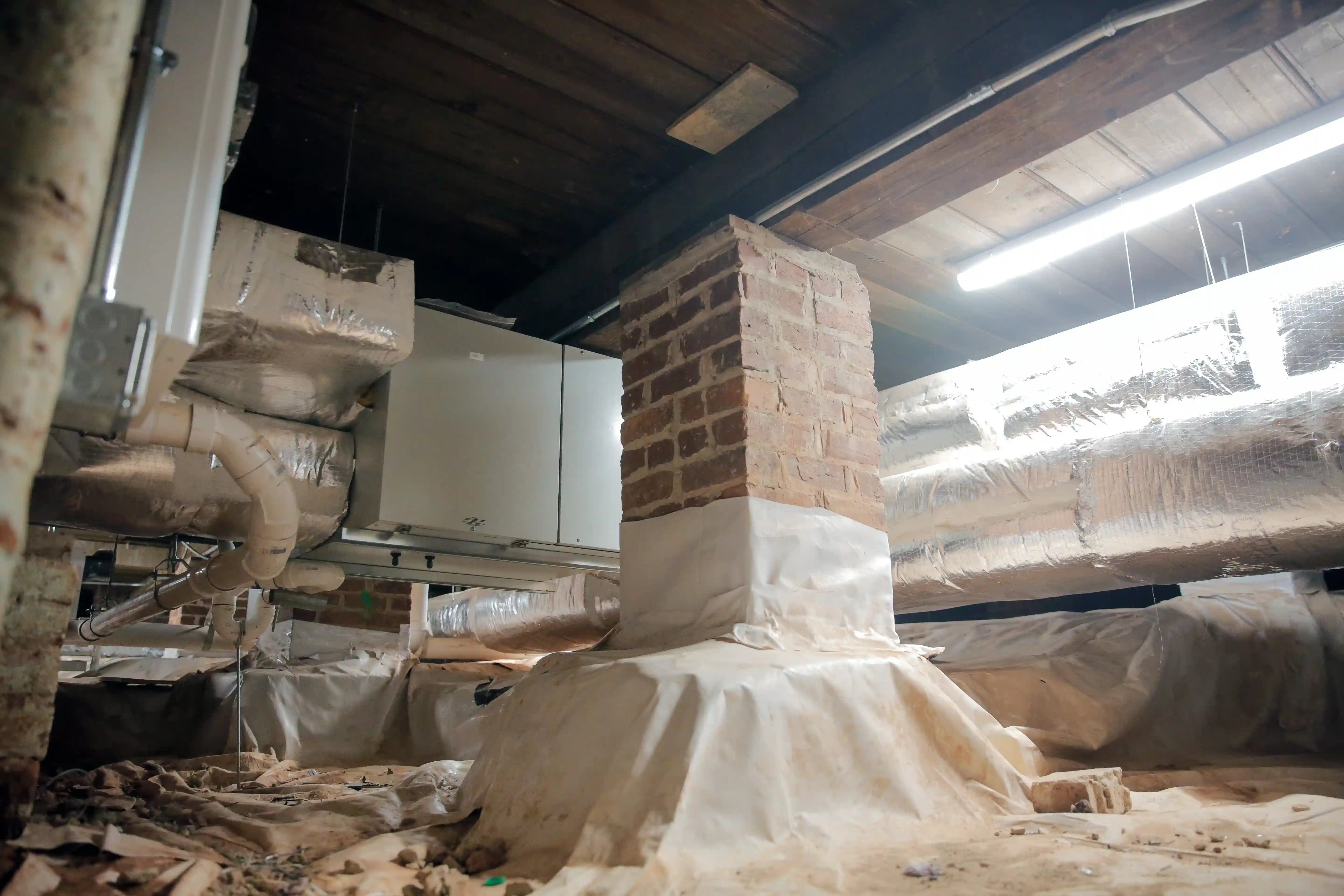
At the same time, strict oversight from the Virginia Department of Historic Resources required the building's defining features remain intact. Original walls, woodwork, and structural elements could not be altered. Every system installed had to work around history, not replace it. That standard ultimately allowed the hotel to qualify for historic tax credits, but only because every trade performed their work with precision and respect for the building's integrity.
HVAC: A VRF System Threaded Through History
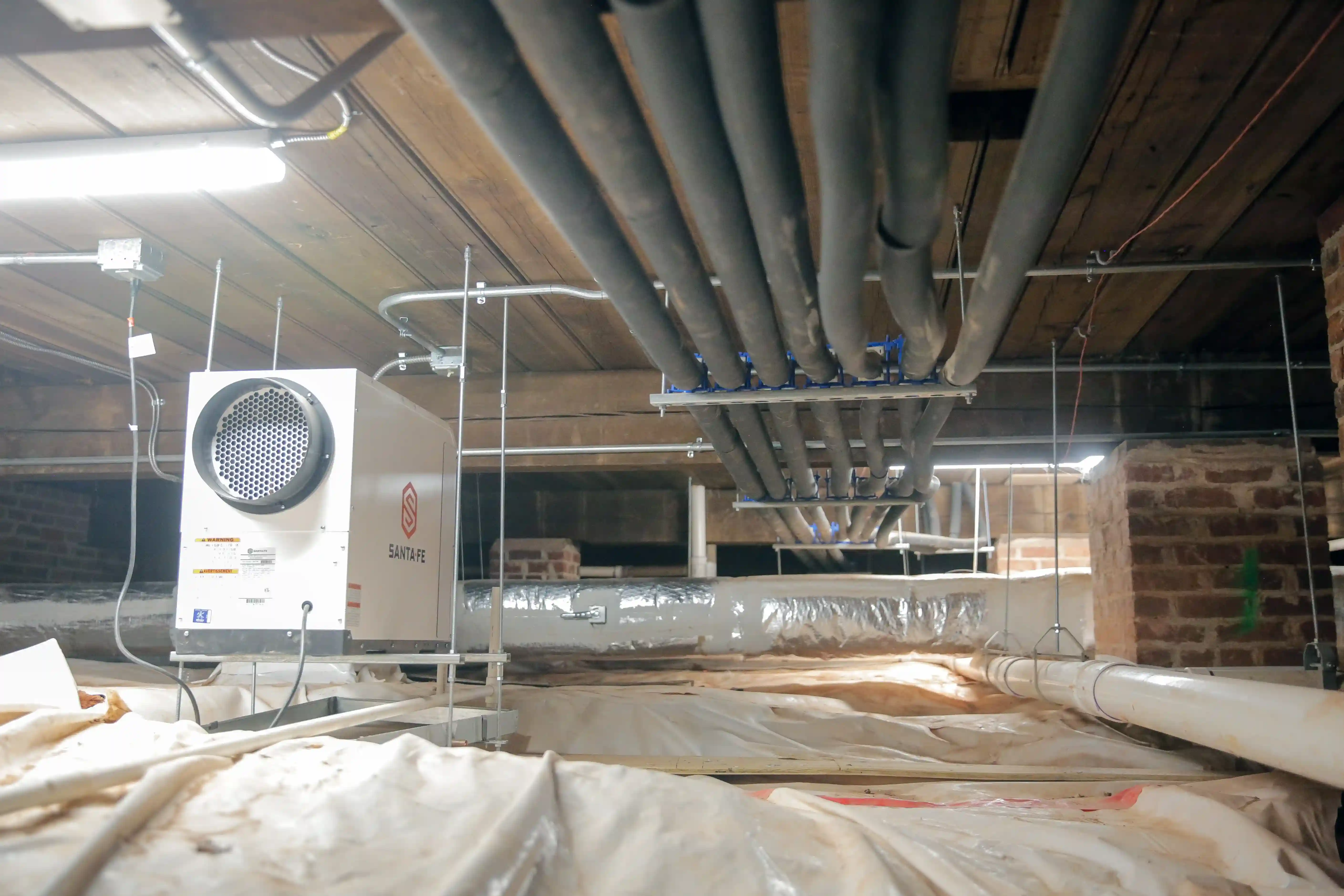
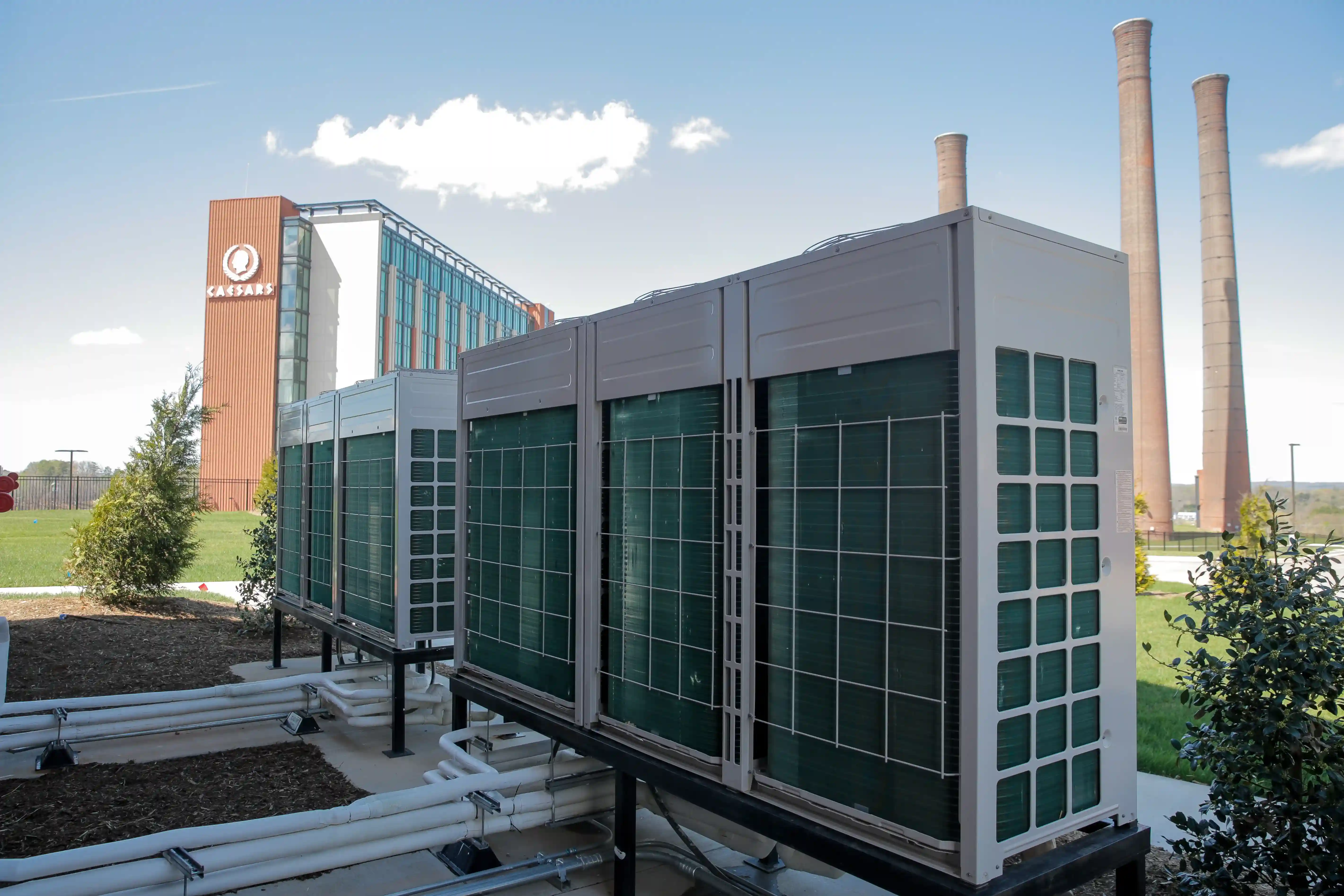
For Southern Air's HVAC team, led by Project Manager Chris McFaden and his crew consisting of foreman James Thompson and supported by Alex Tibbs, the challenge was to install a fully modern comfort system inside a structure that resisted modern design. The solution was a Variable Refrigerant Flow (VRF) system, paired with energy recovery units and integrated controls. This technology was capable of delivering efficient, quiet, room-by-room climate control without requiring bulky ductwork that would disrupt the building's architecture.
Routing that system through the building was anything but straightforward. With no consistent structure to work from, ductwork and VRF refrigerant lines had to be carefully routed through tight, improvised chases, often running from the basement to upper floors without a clear or direct path. Crews burned through drill bits and hole saws cutting into dense, century-old wood so hardened by time even new tools failed under the strain. Adjustments in equipment and technique, including the use of higher-torque angle drills, became necessary just to keep pace.
Controls That Make It All Work
Tying it all together, Southern Air's Building Automation Systems group, led by Jeff Claytor, wired and integrated the controls that make the entire system functional and serviceable. Their work ensures every unit, every zone, and every piece of equipment communicates seamlessly turning a complex, hidden network into a system that can be monitored, adjusted, and maintained with precision.
Plumbing in Walls 28 Inches Thick
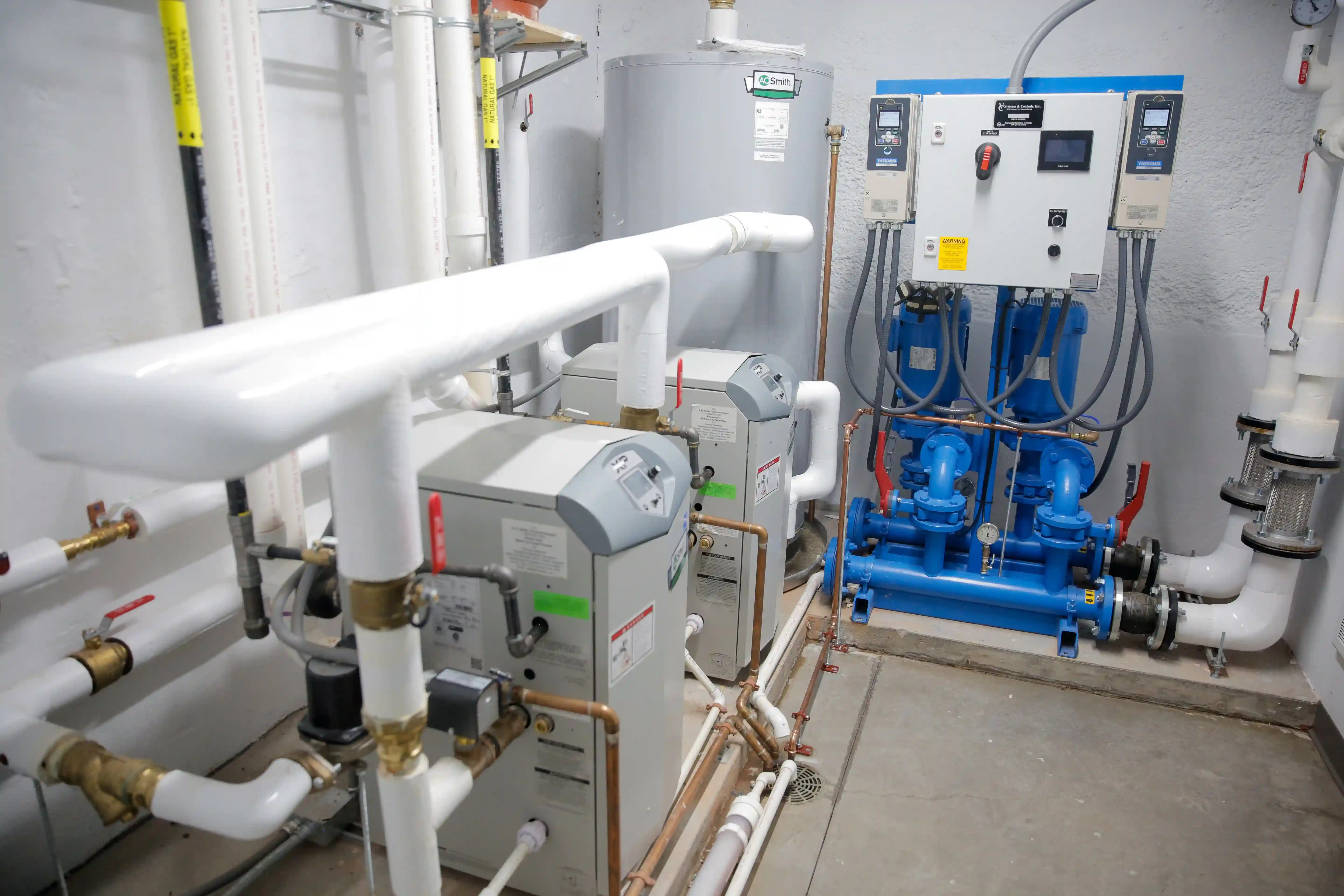
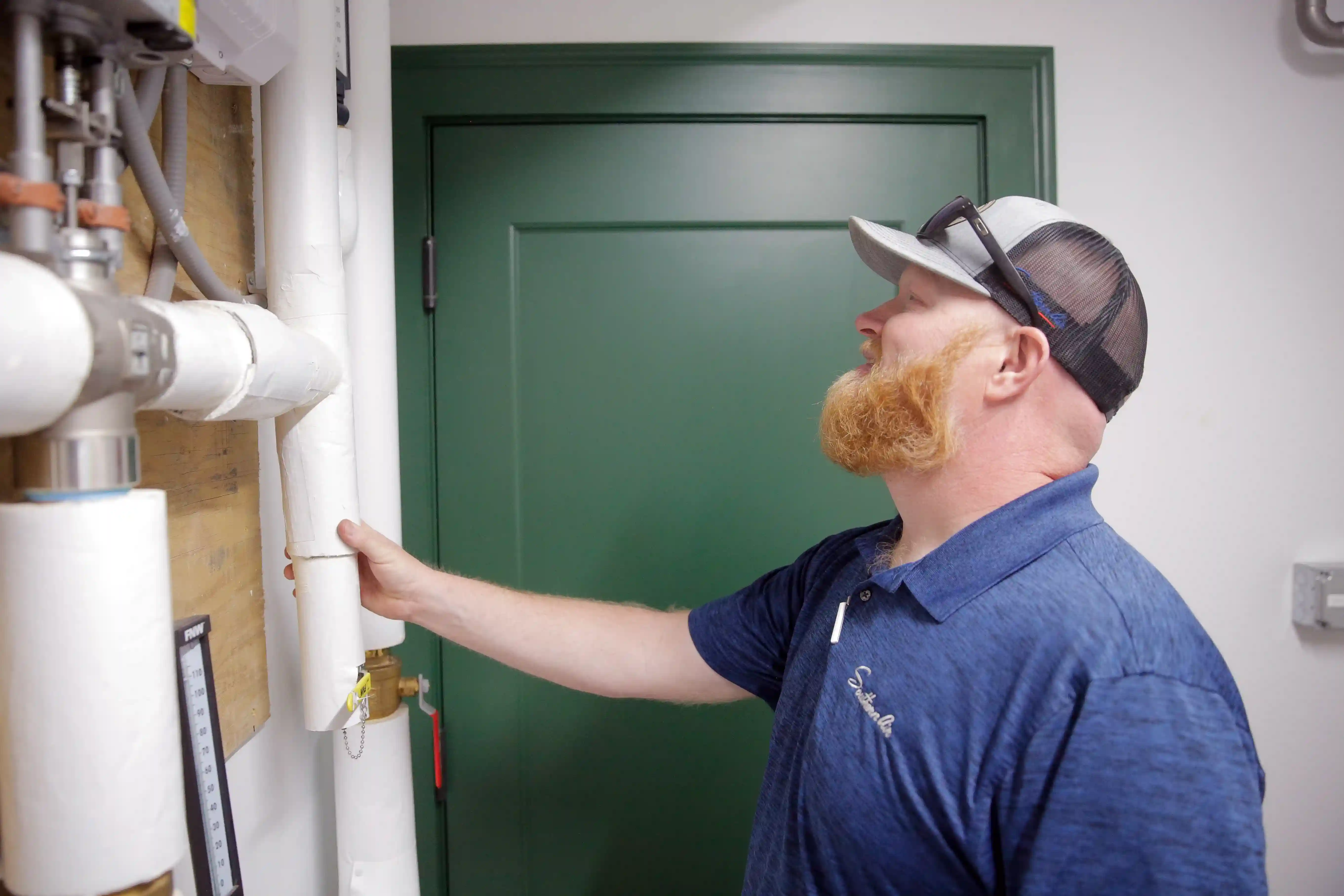
On the plumbing side, the work presented a different set of equally demanding challenges. Led by Project Manager Steve Cundiff and foremen Keith Varnadore and Stephen "Bo" Smith, the team installed a full waste, vent, and domestic water system designed for an upscale hospitality environment. Cast iron piping was selected over PVC to minimize sound ensuring guests would never hear water moving between floors.
Cundiff's team installed domestic hot and cold water distribution, waste and vent piping, instantaneous water heaters, storage tanks and expansion tanks, mixing valves to regulate temperature and additional high-capacity (199 BTU) tankless systems to ensure consistent hot water supply.
Executing this work inside the structure required constant adaptation. Walls up to 28 inches thick had to be drilled through using specialized coring equipment. Vaulted areas from the building's earlier life required hand excavation just to install drainage systems. In many cases, crews had to test locations with pilot holes before committing to full penetrations, ensuring they avoided structural conflicts.
BIM as the Common Language
Architectural and mechanical drawings did not always align. Bathroom layouts shifted. Fixture locations changed. To solve this, Southern Air's teams worked closely with both field supervisors and our Building Information Modeling team, creating overlay drawings and coordinating in real time to resolve conflicts before they became costly mistakes. Led by Department Manager Wayne Harris and designer Jeremy Fulcher, the BIM group translated field conditions into clear, workable solutions as they mapped out conflicts between structure and systems, identifying where walls and beams clashed with routing, and giving crews the clarity they needed to move forward with confidence in a building where no two spaces were the same.
"Nobody Does This Alone"
"We didn't just walk into it and figure it out. We pre-planned how we were going to go through that building room by room, inch by inch. We all had to lean on each other. Nobody does this alone. The only way it was going to work was if everybody worked together to find the solution."— Chris McFaden, Project Manager
Their planning created a roadmap the team could return to, even as conditions shifted and the discipline paid off. While many trades on complex renovation projects struggle to keep pace, Southern Air's team maintained momentum from start to finish having never falling behind schedule. More importantly, they did so without compromising quality or safety in a jobsite environment that was often crowded, tight, and ever-changing.
A Building Preserved, Not Replaced
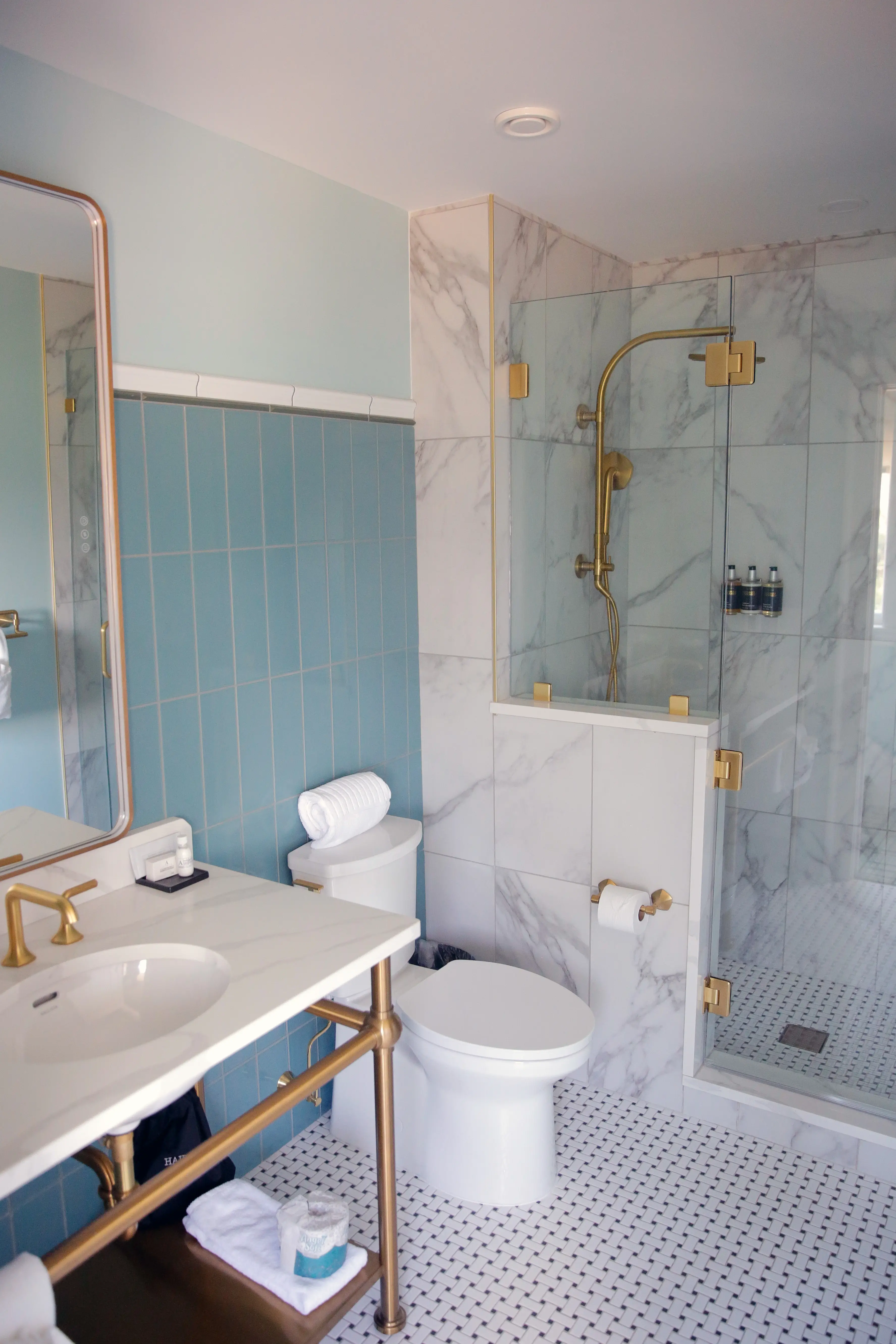
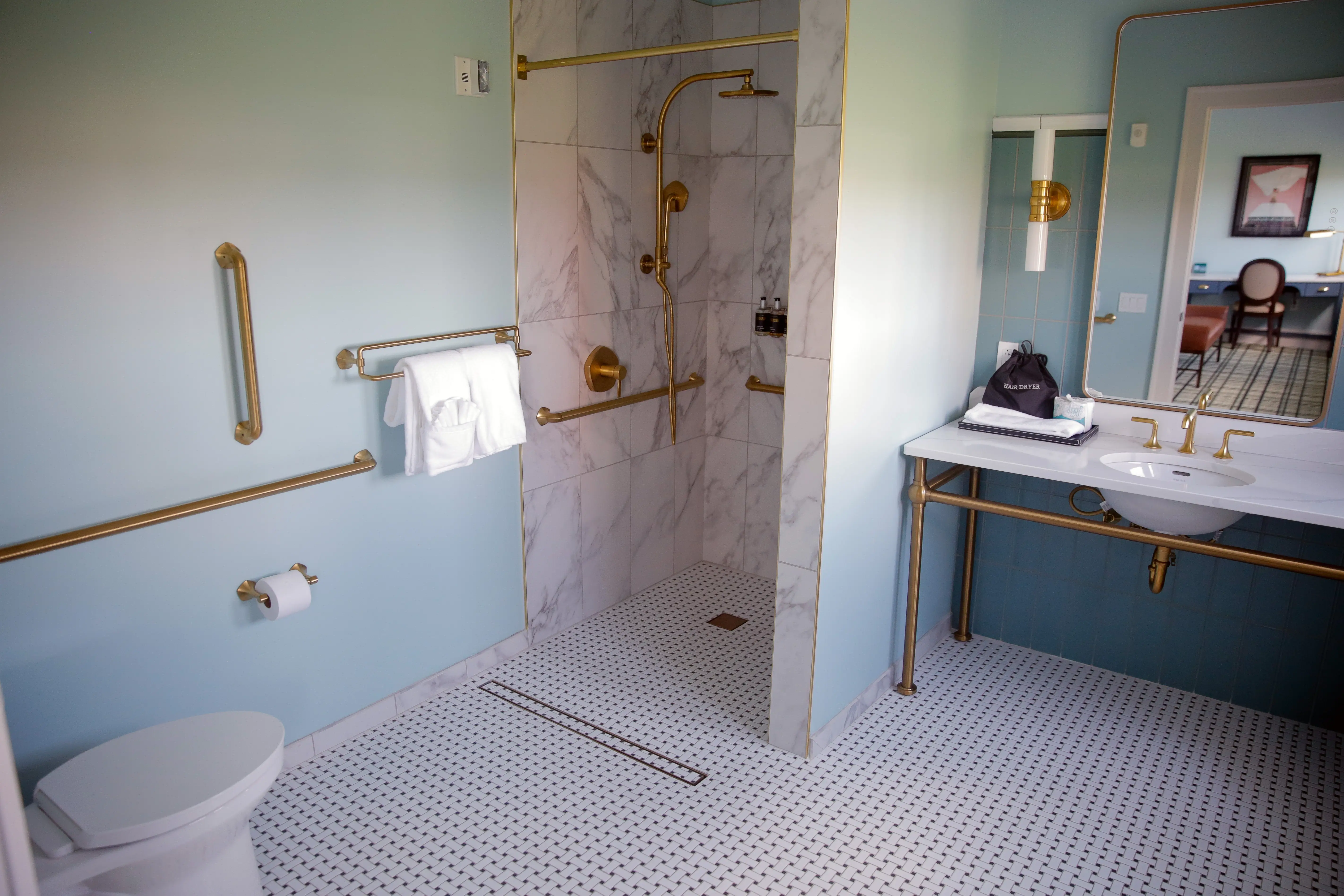
The payoff is visible in every corner of the building. The Laurel Hotel does not feel newly built but beautifully preserved. Original architectural elements remain intact, seamlessly integrated into a space that offers modern comfort without sacrificing authenticity. Guests move through rooms that are quiet, climate-controlled, and refined, unaware of the intricate systems working behind the walls to make that experience possible.
Perhaps most importantly, the work achieved what it set out to do. By meeting the rigorous standards of the Virginia Department of Historic Resources, the project secured historic preservation tax credits proving the building's character had not only been protected, but honored. The distinction speaks to the outcome, the care, and craftsmanship making it possible.
In a city undergoing transformation, the Laurel Hotel reminds us progress does not require erasure. It is possible to build forward while holding onto the past, to create something new without forgetting what came before. Through careful restoration and expert craftsmanship, a piece of Danville's history has been given new purpose allowing its story to continue, not as memory, but as experience.
And behind it all, unseen but essential, is the work of Southern Air tradespeople who made it live again.
See more of our work on similar projects like Hotel Madison and explore our full commercial construction portfolio.
Gallery